
 Written by: Justin Roberts
Posted on: July 3, 2026
Written by: Justin Roberts
Posted on: July 3, 2026
Providing Nesting Material for Orioles: What to Offer (and Avoid)
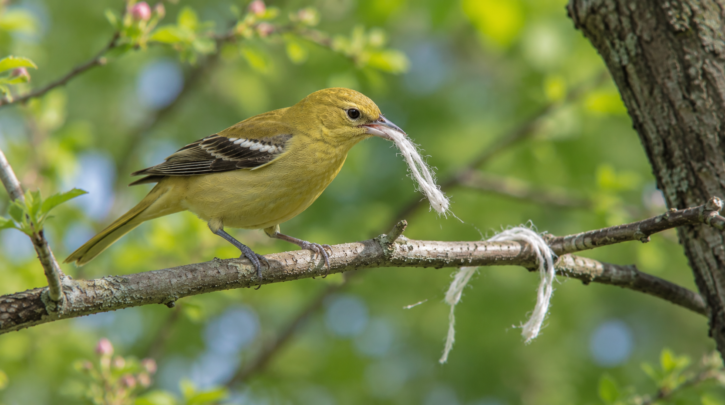
Because orioles weave their nest from long, flexible fiber rather than building with twigs or grass alone, offering nesting material is one of the more direct and genuinely effective ways to support a nesting pair — a practice with no real equivalent for cavity nesters…
 Written by: Justin Roberts
Posted on: July 3, 2026
Written by: Justin Roberts
Posted on: July 3, 2026
Baby Orioles: From Hatching to Fledging
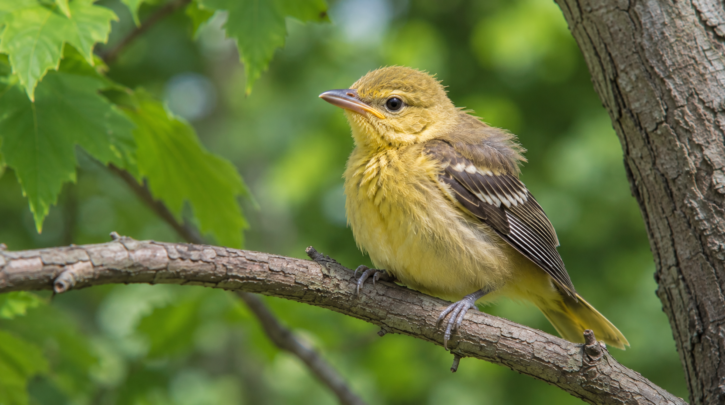
Oriole chicks develop fast — noticeably faster than many backyard songbirds — going from blind hatchlings to fledged young in under two weeks, all inside a nest that’s constantly swaying at the tip of a branch. At Hatching Newly hatched orioles are altricial: blind, essentially…
 Written by: Justin Roberts
Posted on: July 3, 2026
Written by: Justin Roberts
Posted on: July 3, 2026
Oriole Habitat and Range: Where Each Species Lives
All three oriole species share one non-negotiable habitat requirement that separates them from a ground-hunting bird like a bluebird: tall trees. Unlike species that favor wide-open country, orioles need mature deciduous trees for both nesting and much of their foraging, and none of the three…
 Written by: Justin Roberts
Posted on: July 3, 2026
Written by: Justin Roberts
Posted on: July 3, 2026
Do Orioles Migrate? Yes — Here’s the Full Picture
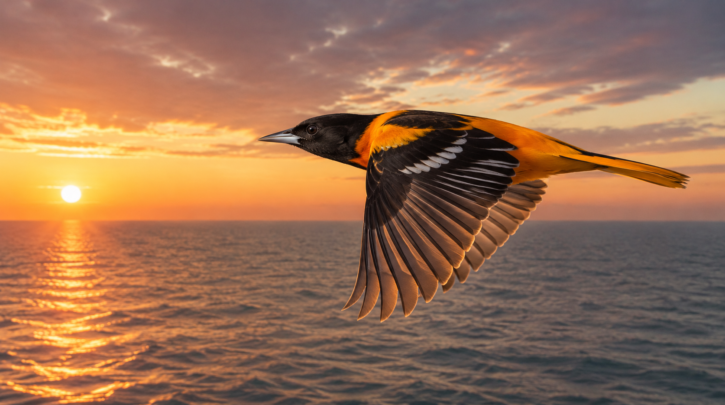
Unlike bluebirds, which show a partial migration pattern with many populations staying resident year-round, orioles are true long-distance migrants — virtually the entire population of all three species leaves North America completely each winter, with no meaningful resident population left behind. A Genuine Neotropical Migration…
 Written by: Justin Roberts
Posted on: July 3, 2026
Written by: Justin Roberts
Posted on: July 3, 2026
Oriole Predators (and Cowbird Parasitism): What Threatens the Nest
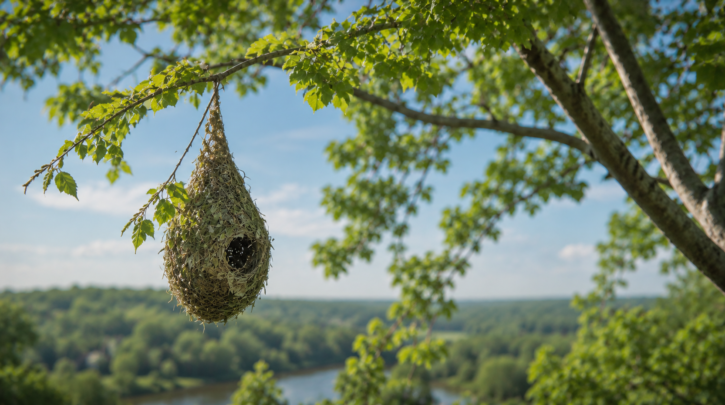
Because the oriole pouch nest hangs at the tip of a branch rather than sitting in a fixed location or an enclosed cavity, orioles face a somewhat different predator profile than a species like the bluebird — including one threat that’s essentially irrelevant to cavity…
Written by: Justin Roberts
Posted on: July 3, 2026
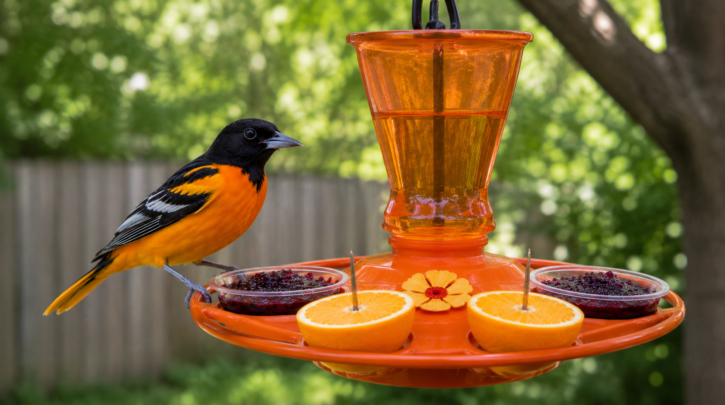
Oriole FAQ: Common Questions Answered
A roundup of the questions we hear most often from people just starting to feed or watch orioles, answered briefly and honestly. Are orioles rare? No. Orioles are common across appropriate habitat during the breeding season, though they can be genuinely easy to overlook once…
 Written by: Justin Roberts
Posted on: July 3, 2026
Written by: Justin Roberts
Posted on: July 3, 2026
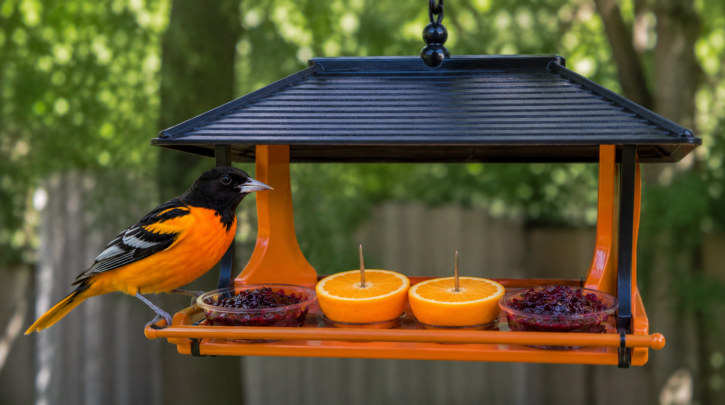
Best Oriole Feeders: Our Top Picks
A dedicated oriole feeder looks similar to a hummingbird feeder at a glance, but the details matter. Before getting into specific picks, see our full feeder setup guide for what separates a feeder built for orioles from one that just happens to be orange. What…
 Written by: Justin Roberts
Posted on: July 3, 2026
Written by: Justin Roberts
Posted on: July 3, 2026
Best Jelly and Fruit Feeders for Orioles
While an all-in-one nectar-jelly-fruit feeder covers the basics, a dedicated jelly and fruit feeder offers more capacity for the two foods that matter most during the mid-to-late summer dietary shift covered in our diet guide. What Separates a Good Jelly Feeder From a Bad One…
 Written by: Justin Roberts
Posted on: July 3, 2026
Written by: Justin Roberts
Posted on: July 3, 2026
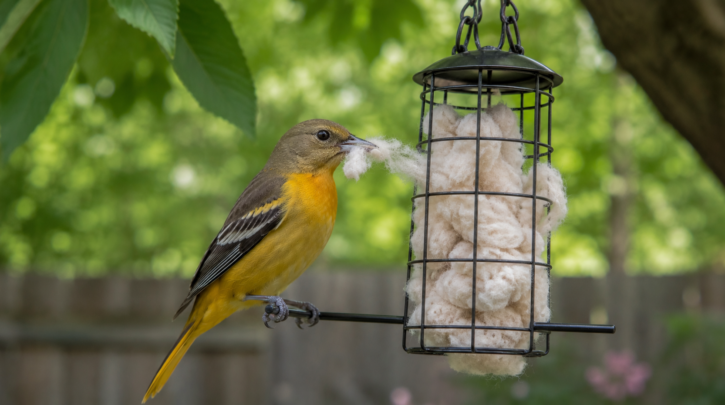
Best Nesting Material Dispensers for Orioles
Offering nesting material is one of the more direct ways to support a nesting pair, but the safest options have shifted somewhat from older common advice — see our full nesting material guide for the safety principles behind these picks. Why Cotton Tufts Are Increasingly…
 Written by: Justin Roberts
Posted on: July 3, 2026
Written by: Justin Roberts
Posted on: July 3, 2026
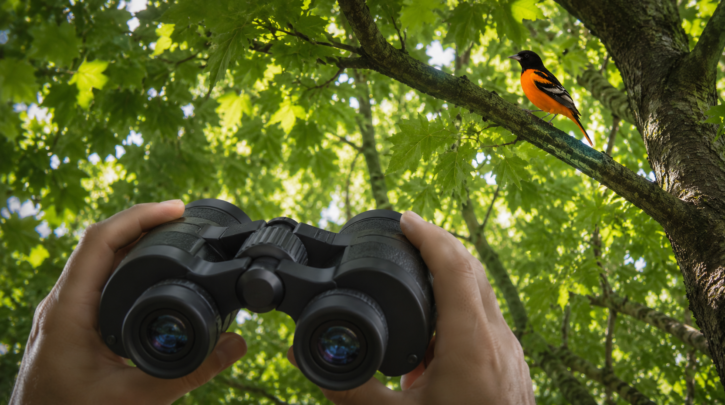
Best Binoculars for Watching Orioles: A Season-by-Season Guide
Because orioles spend most of their time high in a leafy canopy rather than at eye level on a feeder or fence line, the right pair of binoculars matters more for oriole watching than for many other backyard birds — and, less obviously, the right…